
Make this page work for you.

በአማርኛ

Accessibility Hackathon 2026

Build what works for everyone. Then everyone gets to work.

Teams of four engineers build open modules for Ethiopia's training platforms and job boards, each with a co-designer who is blind, Deaf, has a disability or has lived through displacement.

  • 14 and 15 NovSaturday and Sunday, 08:30 to 18:00
    ህዳር 5 እና 6፣ 2019
  • ALX Tech HubLideta, Addis Ababa
  • 3 tracks30 teams and 40 individuals selected in each
  • 100,000 ETBto the winning team of each track
  • 13 Novapplications close, Friday 23:59

Digital Bridge is a programme of ALX, delivered with SNV and Mercy Corps under LIWAY. The hackathon is organised by ALX Ethiopia with the Addis Ababa Association of Persons with Physical Disabilities and Tomorrow is Better.

  • SNV
  • Mercy Corps

የዲጂታል ብሪጅ ተደራሽነት ሃካቶን 2026

ህዳር 5 እና 6 (ኖቬምበር 14 እና 15) በALX ቴክ ሀብ ልደታ። አራት መሐንዲሶች ያሉት ቡድን፣ ከዓይነ ስውር፣ መስማት የተሳናቸው፣ አካል ጉዳተኛ ወይም የስደት ልምድ ካላቸው ተባባሪ ዲዛይነር ጋር አብሮ ይሰራል። በሶስቱ ትራኮች ውስጥ ያለው ምርጥ ቡድን እያንዳንዱ 100,000 ብር ያገኛል። ማመልከቻ እስከ አርብ ህዳር 4 (ኖቬምበር 13) ድረስ ይቀበላል።

የማመልከቻው ቅጽ በአማርኛ እና በእንግሊዝኛ ይገኛል፣ በድምጽ መመለስ ይችላሉ፣ እና የጊዜ ገደብ የለውም።

"I do not need a special app. I need the one everyone uses to work with my phone."

A participant at the co-design session, 21 October 2026
ALX
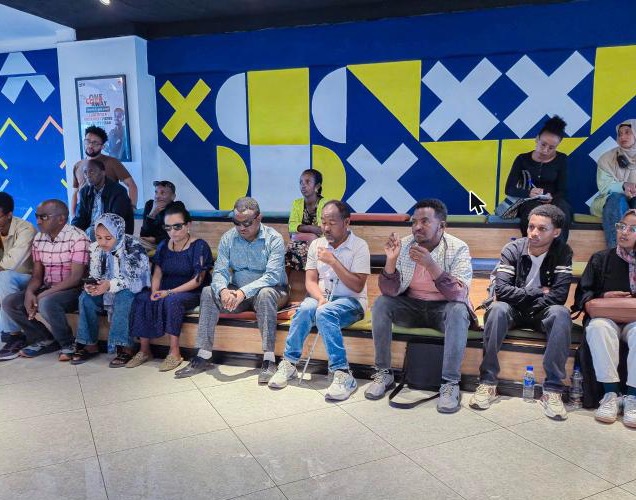
Co-designers who are blind, Deaf or have a disability sit in a row on the stepped seats of the ALX hub, listening, with the ALX wall pattern behind them.
The co-design session at ALX Tech Hub Lideta, 21 October 2026. Photo: ALX Ethiopia.

Why this, why now

On 21 October, forty people who are blind, Deaf, live with a disability, or are refugees or returnees tried to register, follow a lesson, get help and apply for a job. Most could not finish. Forms time out, videos lack captions and sign language, help is English only, and job boards break under a screen reader.

So the brief is open plug-in modules any platform can add to the system it already runs. First Savanna, the ALX learning platform, for 3,000 Digital Bridge learners. Then eight job-matching platforms and two regional training institutions.

Three tracks, one winner in each.

Pick one track and keep it. Each winner also gets a paid two-week hardening sprint with ALX engineers. There is no separate career gateway track: every track builds its own part, so graduates can use your module to find work.

Track 1. Accessible onboarding

For learners who are blind, have a physical disability, read with difficulty, or have no standard ID.

Forms time out and block refugees with no kebele ID or passport.

You build a drop-in sign-up and profile component.

What it must have
  • Clear labels, plain errors, no time-outs, one question per screen.
  • Voice input on every field, with review and edit.
  • A private way to ask for support, no medical proof.
  • Other ID routes: refugee ID, other documents, or "refer me" through a partner.
  • A low-literacy path: simple words, icons, read-aloud questions.

Earns extra: a partner such as AAAPD registers a learner with consent; save and resume by SMS link.

Career gateway, also required
  • A job application flow on your form engine, with voice answers.
  • A private "support I need" job filter, no disability disclosure.
  • An employer form for the accommodations a job offers.
Track 2. Accessible learning media

For learners who are Deaf, hard of hearing, blind, or on a slow connection.

Lessons lack sign language, Amharic subtitles, screen-reader controls and an offline option.

You build an embeddable video player and a transcript pipeline.

What it must have
  • A player that works by keyboard and screen reader.
  • English and Amharic captions you can resize and recolour.
  • A movable, resizable Ethiopian Sign Language window.
  • Audio description.
  • An offline pack for a 3G phone: audio, text, light HTML.
  • Tagged PDF and HTML documents with image descriptions.

Earns extra: Braille export (.brf); a viewer for recorded live sessions with captions and chat log.

Career gateway, also required
  • An accessible job card with an audio summary, working at 200 per cent zoom.
  • Verifiable certificate links to share with employers.

Track 3. Multilingual assistant and live help

For learners who think in Amharic, Tigrinya, Afaan Oromo, Somali or Arabic, or who are new to computers.

Learners get stuck in English, with no tutor in their language and no one to see their screen.

You build a web and Telegram assistant with one-click escalation to a person.

What it must have
  • A voice and text tutor in Amharic and English that answers only from course content, with citations.
  • Web embed, Telegram bot, and a low-bandwidth SMS or text route.
  • Chat that announces new messages and handles right-to-left text.
  • One-click human help, with learner-controlled screen sharing.
  • A pluggable AI layer: cloud, a local open model, or an offline FAQ.

Earns extra: a plain-language "simple mode"; a teacher view of the most asked questions, without names.

Career gateway, also required
  • Job alerts by Telegram and SMS.
  • A way to request interview accommodations.
  • Answers about jobs, not only the course.

Every track builds on Savanna

Teams get a Savanna starter and its documentation at kick-off. Your module must run inside it and install on any other site by a script tag (Level 1), a REST API with an OpenAPI spec (Level 2), or a standard such as LTI 1.3, schema.org/JobPosting or Open Badges 3.0 (Level 3).

Who can apply

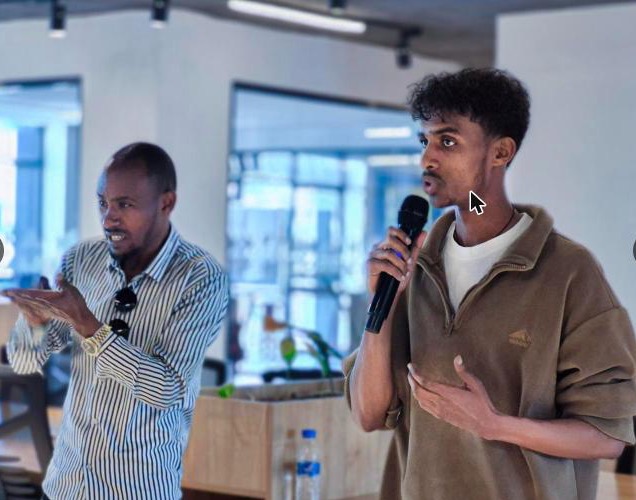
Two young men at the co-design session, one speaking into a microphone, the other gesturing as he explains.

A team of engineers

  • Four people. ALX graduates and learners come first; others fill the places left.
  • Fewer than four? Apply anyway. We pair you at kick-off.
  • One of you writes front-end code: HTML, JavaScript, REST APIs.
  • Everyone joins the five online evenings and both days at Lideta.
  • The form asks each member's name, phone, email and ALX affiliation.
Apply as a team
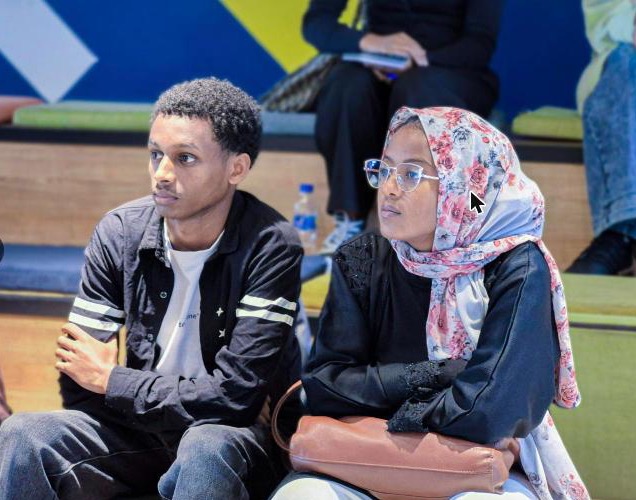
Two co-designers listening at the session, a young man and a woman in a floral headscarf and glasses.

A co-designer

  • You are blind or have low vision, are Deaf or hard of hearing, live with a physical or learning disability, or are a refugee, displaced person or returnee.
  • You use a phone or computer and want it to work better.
  • You join a team, test on your own device and sit on the final panel. You are paid for your time.
  • Ethiopian Sign Language and spoken interpreters. A step-free venue.
  • No need to be an AAAPD or Tomorrow is Better member.
Apply as a co-designer

How it works

  1. Apply. About ten minutes. Screen reader, voice and Amharic all work.

  2. Selection. Told by phone or email within two days of applying, then grouped and matched.

  3. Training week. Five evenings, 19:00 to 20:30. Required.

  4. Day one. Meet your co-designer and mentor. A working slice by 17:00.

  5. Day two. Code freeze 13:00, the gate, then winners at 17:15.

  6. Hardening sprint. Winners and ALX engineers: security review, three test rounds with at least 30 testers with disabilities, Savanna integration.

  7. Live. For 3,000 learners, then partner platforms and institutions.

The schedule

Addis Ababa time. Meals on both days. Step-free, with a lift, quiet rooms, backup power and sign language interpreters.

Training week, online, 19:00 to 20:30

Training week, one evening per row
EveningTopicLed by
Mon 9 NovAccessibility and co-design: the problems, the 21 October findings, working with a co-designer and interpreterDr Tamrat Sultun, ALX, with the AAAPD lead
Tue 10 NovWCAG 2.2 AA and the 35 required features, axe-core, testing with NVDA and TalkBackALX accessibility specialist
Wed 11 NovDrop-in web components and APIs: script tag, REST API, standards such as LTI 1.3Senior ALX software engineer
Thu 12 NovOffline-first and Amharic AI: captions, caching, self-hosted open modelsALX AI and platform leads
Fri 13 NovOffice hours: open questions, test your set-up, how to presentMentors and technical leads
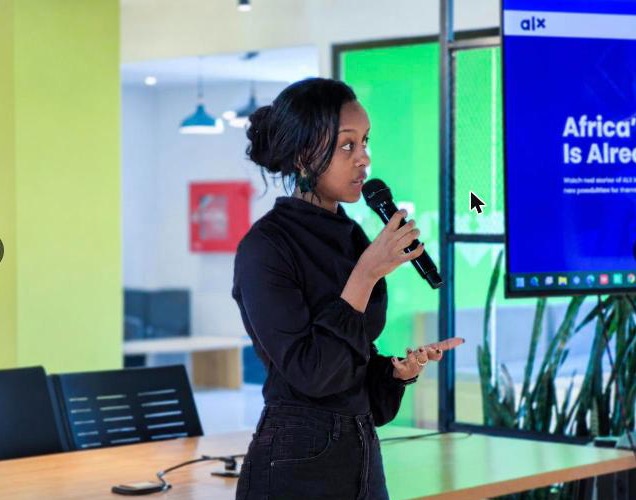
A facilitator speaks with a microphone in the ALX hub, in front of a green wall and a screen that reads Africa's talent is already here.
ALX Tech Hub Lideta, where both days take place. Photo: ALX Ethiopia.
Day one, Saturday 14 November, ALX Tech Hub Lideta
Day one, hour by hour
TimeWhat happens
09:00Registration, developer kit, Savanna starter and sandbox
09:30Opening by ALX leadership and partner representatives
09:45Designing for the next 3,000: what the community said on 21 October
10:15Track briefing: integration levels, WCAG 2.2 AA, the sandbox
10:45Pairing: each team meets its co-designer and ALX mentor
11:00Build block one: architecture, API schema, offline plan
13:00Lunch
14:00Build block two: track features, tested by your co-designer
17:00Mid-point review: show a working slice
18:00Close. The sandbox stays open overnight
Day two, Sunday 15 November, ALX Tech Hub Lideta
Day two, hour by hour
TimeWhat happens
08:30Arrival and breakfast
09:00Build block three: harden, README, conformance report
12:00Lunch. Docs freeze: Docker Compose and sample embeds
13:00Code freeze, then the accessibility gate: co-designers test every module live
14:30Teams that passed present a live integration demo, in parallel rooms per track
16:30Judges deliberate. Guest judges try the modules themselves
17:15Awards: the three winning teams, partner speeches
17:45Next steps for the winners, photos, close

How modules are judged

First, the gate. Pass or fail.

A co-designer completes the main task unaided with NVDA, TalkBack, keyboard only, 200 per cent zoom and sound off. axe-core shows zero critical or serious issues. The team submits a WCAG 2.2 AA conformance report.

Then, the score, out of 100.

  • 30Works for the people it is forCo-designer scores, tasks done unaided, 21 October feedback used.
  • 25Can be adoptedA judge installs it in an hour from your docs. More for all three levels.
  • 15Built for EthiopiaAmharic, Ethiopic script and calendar, cheap Android on 3G, offline.
  • 15Quality, security and privacyTests, minimum data, nothing leaves the host without consent.
  • 15Can be kept runningLow cost, no paid-API lock-in, a README a stranger can follow.

The panel: a certified accessibility specialist, two co-designers, a senior ALX engineer and a platform or institution representative.

Questions people ask

Can I apply alone, or with two or three people?

Yes. Use the same form and leave the other names blank. We pair you into a team of four in your track.

I am not an ALX graduate. Can I join?

Yes. ALX graduates and learners come first, then those who started an ALX programme, then everyone else. Developers with a disability can also apply as co-designers.

What does a co-designer actually do?

You are a team member, not a tester at the end. You say what works on your own device and run the final test at the gate. You are paid.

Do I need to prove my disability or status?

No. We only ask what support you need. Never for documents or your history, and it stays with the organising team.

Who owns the code?

It is released under the open licence ALX names at kick-off. ALX and its partners may use and publish it. Your team is credited by name.

What happens to my application data?

Used only to run the hackathon, seen only by the organising team, and deleted after, under Ethiopia's Personal Data Protection Proclamation No. 1321/2024.

Ask the team

We answer within a day, on this page. Leave a contact only if you want a direct reply.

Write your question first.